
US strikes Venezuela in a dramatic overnight military operation that Washington says resulted in the capture of President Nicolás Maduro and his wife, triggering global reaction and raising major legal and geopolitical questions.
The operation marks one of the most dramatic escalations in U.S.–Latin America relations in decades and has triggered widespread international reaction, legal debate, and fears of regional instability.
Overnight Strikes Rock Caracas
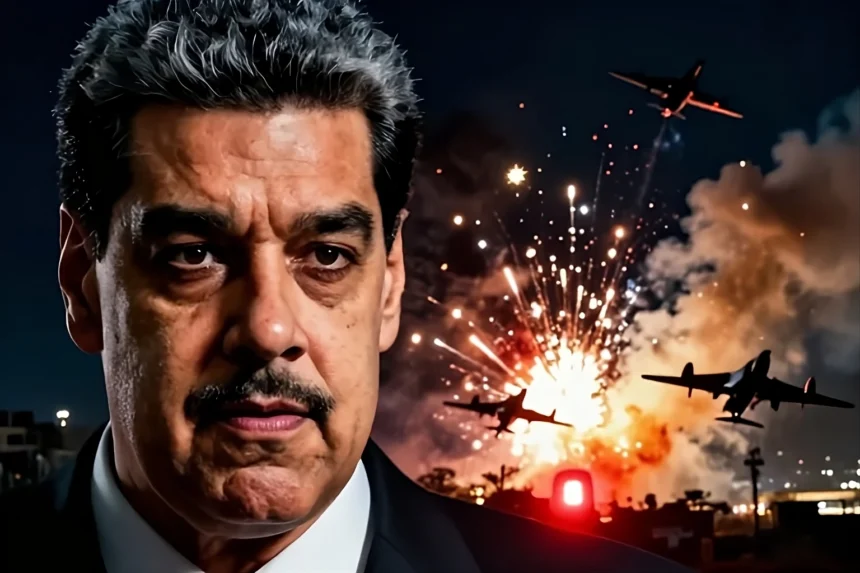
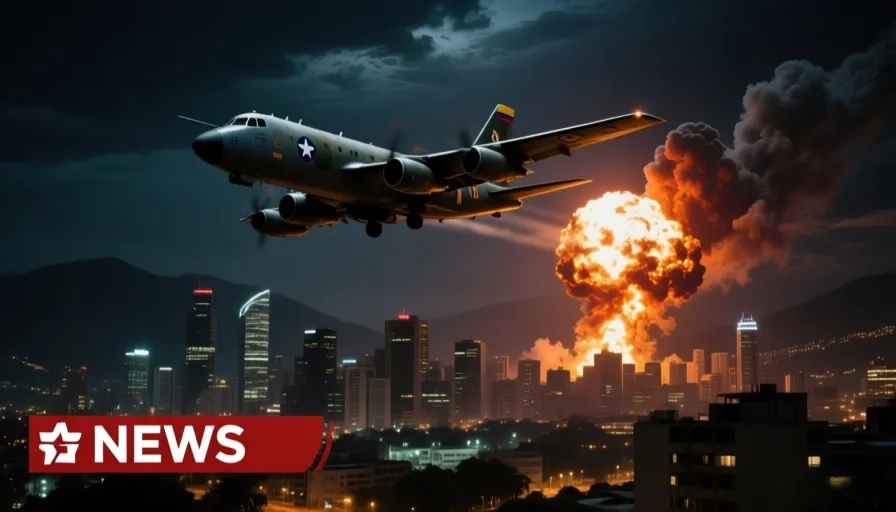
Explosions were reported across Caracas and nearby states in the early hours of Saturday, with residents describing loud blasts, flashes lighting up the sky, and military aircraft flying at low altitude. Videos shared online showed smoke rising from several locations as sirens echoed through parts of the capital.
According to U.S. officials, the strikes targeted military installations and infrastructure allegedly connected to drug trafficking operations. Venezuelan authorities described the attack as a violation of national sovereignty and accused Washington of attempting regime change through force.
U.S. Confirms Capture of Maduro
U.S. President Donald Trump announced the operation publicly, stating that American forces had successfully captured President Maduro and First Lady Cilia Flores and removed them from Venezuelan territory.
This was a decisive operation against a criminal regime that has poisoned our streets for years
Trump said in a statement posted on social media.
U.S. officials later confirmed that Maduro and Flores were taken into custody during the operation and flown out under military supervision. Venezuelan authorities have not independently confirmed Maduro’s location but demanded proof of life following the announcement.
Drug Charges and Legal Case
The U.S. Department of Justice said Maduro and Flores face multiple federal charges, including conspiracy to commit narcoterrorism, conspiracy to import cocaine into the United States, and weapons-related offenses. The charges stem from indictments first filed in 2020, which accused Maduro of leading a drug trafficking network and offered multimillion-dollar rewards for information leading to his arrest.
Attorney General Pam Bondi confirmed that the case will proceed in the U.S. Southern District of New York.
These charges represent years of investigation and evidence gathering,
Bondi said
No individual is above the law.
Legal experts say the prosecution of a sitting foreign head of state is highly unusual and could set a major precedent in international law.
Venezuela Declares Aggression
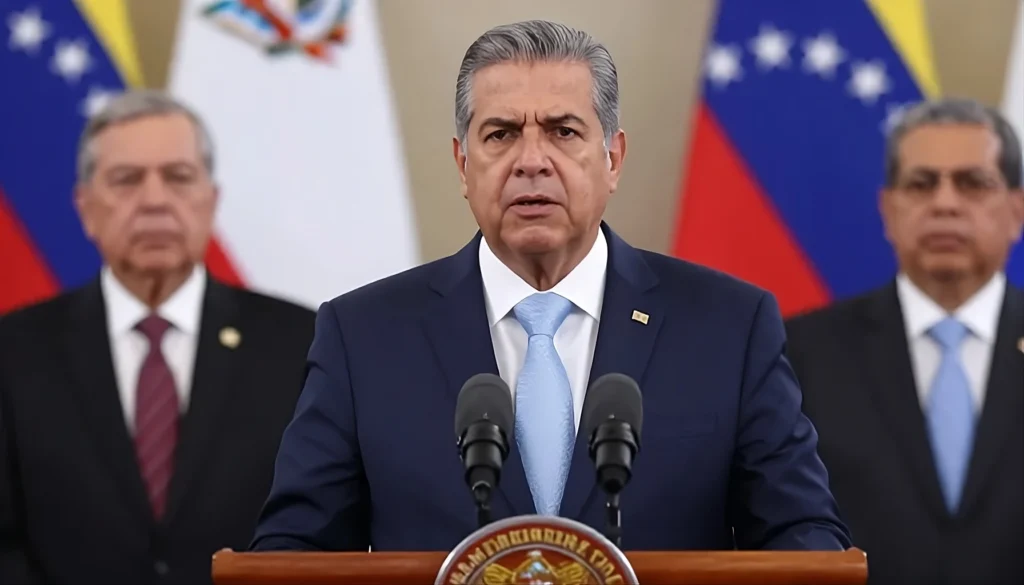
Venezuela’s government condemned the strikes, calling them an “imperialist attack” and declaring a national state of alert. Vice President Delcy Rodríguez accused the United States of violating international law and destabilizing the region.
This is a direct assault on Venezuelan sovereignty
Rodríguez said during a televised address, demanding international condemnation and immediate diplomatic intervention.
Security forces were deployed across major cities, while state media urged citizens to remain calm and vigilant. Power outages and internet disruptions were reported in several areas following the strikes.
Global Reaction and Diplomatic Fallout
World leaders responded swiftly, with reactions ranging from condemnation to concern.
Brazil described the operation as crossing an “unacceptable line,” while Mexico called for restraint and dialogue. Russia and China condemned the strikes as armed aggression, warning that the action undermines international norms. Several European governments urged respect for international law while acknowledging long-standing concerns about governance and human rights in Venezuela.
On social media, the news dominated global trends, with hashtags related to Venezuela, Maduro, and U.S. military action rapidly spreading across X (formerly Twitter), Facebook, and Telegram. Official statements from governments were widely reposted, alongside unverified footage from Caracas.
Regional and Humanitarian Concerns
Neighboring countries, particularly Colombia, moved to reinforce border security amid fears of refugee flows and internal instability. Humanitarian organizations warned that further escalation could worsen Venezuela’s already severe economic and social crisis.
Energy markets reacted cautiously, though early reports suggested that major oil facilities had not suffered significant damage during the strikes.
Legal and Political Implications
Analysts say the operation raises complex questions about sovereignty, extradition, and the legality of using military force to enforce criminal indictments. Supporters argue the move demonstrates accountability for alleged large-scale criminal activity, while critics warn it could weaken international legal norms and encourage unilateral action.
What Happens Next
U.S. officials said no additional strikes are planned at this stage, though the situation remains fluid. Attention is now focused on the legal proceedings against Maduro, potential unrest inside Venezuela, and diplomatic efforts to prevent further escalation.
As the world reacts, the crisis is expected to dominate international diplomacy in the coming days, reshaping relations across the Americas and beyond.